
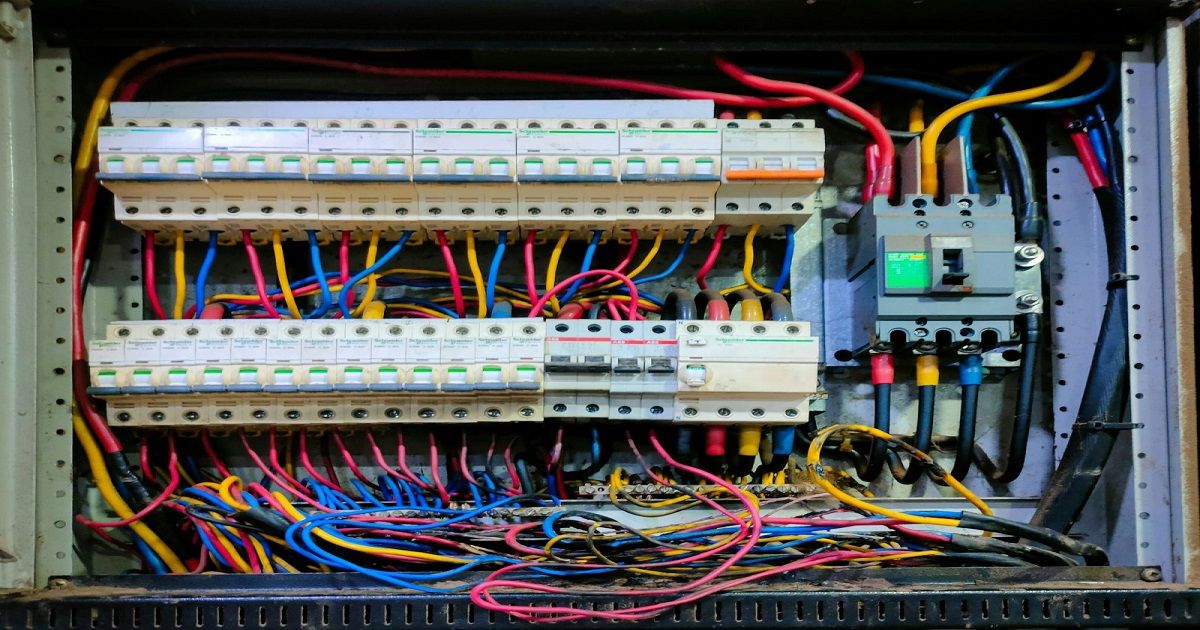
If you let a property in East London, your electrics are not something you can leave to chance. Every private landlord in England must hold a valid electrical safety report for each tenancy, and councils are increasingly willing to issue fines when paperwork is missing. Getting EICR in Tower Hamlets right means knowing what the law requires, what an inspector will actually check, and what to do when the result isn't a clean pass.
This guide is your quick-reference checklist for EICR in Tower Hamlets. You can read it in five minutes, and it will help you avoid the mistakes London Property Inspections sees most often when landlords call us in a panic after a tenant complaint or a council letter.
What Is an EICR and Why Does It Matter?
An Electrical Installation Condition Report (EICR) is a formal assessment of the fixed electrical system in a property. A qualified electrician inspects the consumer unit (fuse box), wiring, sockets, light fittings and earthing, then records any defects and grades them by seriousness.
It is not a quick visual glance. The inspector carries out live and dead testing to measure how well your installation performs against the current British Standard, BS 7671. Think of it as an MOT for your wiring: a snapshot of how safe the system is on the day of inspection.
The Legal Backdrop for English Landlords
The Electrical Safety Standards in the Private Rented Sector (England) Regulations 2020 apply to all private tenancies. In short, you must:
- Have the installation inspected and tested at least every five years (or sooner if the previous report says so)
- Use a suitably qualified and competent person
- Give a copy of the report to existing tenants within 28 days of the inspection
- Give new tenants a copy before they move in
- Supply the report to the local council within seven days if they ask for it
- Complete any required remedial work within 28 days (or a shorter period if the report states one)
Failing to comply can lead to civil penalties of up to £30,000 per breach. That figure alone makes a few hundred pounds for an inspection look like very good value.
The 5-Minute Landlord Checklist
Run through these points before you book anything. Each one takes about a minute, and together they will tell you whether you are compliant or exposed.
1. Check the Date on Your Last Report
Find your most recent electrical safety certificate. If it is more than five years old, or you cannot find one at all, you need a new inspection. Also check the "next inspection due" date, because some reports recommend a shorter interval of three years or less for older or poorly maintained installations.
2. Confirm the Outcome Was "Satisfactory"
A report is either satisfactory or unsatisfactory. An unsatisfactory result means at least one serious defect was found. If you have an old unsatisfactory report with no evidence of remedial work, you are not compliant, whatever the date says.
3. Look at the Observation Codes
Inspectors classify issues using codes:
- C1: Danger present, risk of injury, immediate action required
- C2: Potentially dangerous, urgent remedial work needed
- FI: Further investigation required without delay
- C3: Improvement recommended (does not cause a fail)
Any C1, C2 or FI code makes the report unsatisfactory. C3 items are advisory, but it's sensible to plan for them at your next maintenance window.
4. Verify Who Carried Out the Work
Your inspector should be registered with a recognised scheme such as NICEIC, NAPIT or ELECSA, and hold the relevant inspection and testing qualifications. Ask for their registration number and check it on the scheme's website. A cheap report from an unregistered tradesperson may not stand up if the council challenges it.
5. Confirm Tenants Have Received a Copy
Keep proof that the tenant received the report, such as a dated email or signed acknowledgement. If a dispute arises, evidence of delivery matters as much as the report itself.
Why Local Context Matters in East London
Tower Hamlets has one of the most varied housing stocks in the country. You will find Victorian terraces in Bethnal Green, converted warehouses in Shoreditch fringe areas, post-war council blocks and high-rise new builds in Canary Wharf and Poplar. Each presents different electrical risks.
Older conversions often have a patchwork of wiring from different decades. Rewires done in the 1980s may still have rubber or early PVC insulation. Newer flats may have sound installations but poor labelling or overloaded consumer units after tenants add appliances.
Houses in Multiple Occupation (HMOs)
East London has a high concentration of shared houses. HMOs face additional scrutiny because fire and electrical risks multiply when several unrelated people share one property. If your property is an HMO, check with the council about licensing, as an up-to-date electrical safety report is usually a condition of holding a licence.
Planning Your EICR in Tower Hamlets Inspection
Here is how to avoid delays and unnecessary costs when you book.
Choose the Right Time
Book at least four to six weeks before your current report expires, or before the next tenancy begins. Remedial work can take time, particularly if parts need ordering or a consumer unit must be replaced.
Prepare the Property
Ensure the electrician can reach the consumer unit, every socket and all light fittings. Clear cupboards, garages and loft hatches where wiring runs. Tell your tenant in advance, as you must give at least 24 hours' notice for access.
Expect Some Disruption
The power will be switched off for periods during testing. A one-bedroom flat usually takes one to two hours, while a larger house or HMO can take half a day or longer. Tenants who are working from home will appreciate a heads-up.
Budget Realistically
Costs vary with property size, number of circuits and condition. As a rough guide, a small flat might cost from around £120 to £200, and larger homes more. Be wary of quotes that look too good to be true, because a rushed inspection can miss faults and leave you liable later.
What Happens If You Get an Unsatisfactory Result?
Don't panic. An unsatisfactory report is common, particularly in older stock, and the process is straightforward.
- Read the observation codes and ask your inspector to explain each one in plain English.
- Get a quote for remedial work and instruct a competent electrician within 28 days.
- Obtain written confirmation that the faults have been fixed, usually an electrical installation certificate or minor works certificate, plus a copy of the report showing the issues are resolved.
- Send evidence to your tenant and, if requested, to the local authority within the required timescale.
If the work isn't done in time, the council can arrange it themselves and charge you, on top of any financial penalty.
Staying compliant with EICR in Tower Hamlets requirements doesn't have to be complicated. Check your report date, confirm the result was satisfactory, understand the observation codes, use a registered electrician and keep proof that tenants have a copy. Do those five things and you have protected both your tenants and your investment.
FAQs
1. How often do I need an electrical safety report for a rented property in England?
At least every five years, or sooner if your previous report recommends a shorter interval. You also need a valid report in place before a new tenancy starts.
2. Who can carry out the inspection?
A suitably qualified and competent electrician with relevant inspection and testing qualifications. Choose someone registered with a recognised scheme such as NICEIC or NAPIT, and ask for their credentials.
3. What happens if my report is unsatisfactory?
You must arrange remedial work within 28 days, or sooner if the report specifies. Once the work is done, obtain written confirmation from the electrician and share it with your tenant and, if asked, the council.
4. Can I be fined for not having a report?
Yes. Local authorities can issue civil penalties of up to £30,000 for breaches, and a missing or invalid report can also cause problems with insurance and licensing.
5. Do I need to give my tenant a copy of the report?
Yes. Existing tenants must receive a copy within 28 days of the inspection, and new tenants must have one before they move in. Keep proof of delivery.