
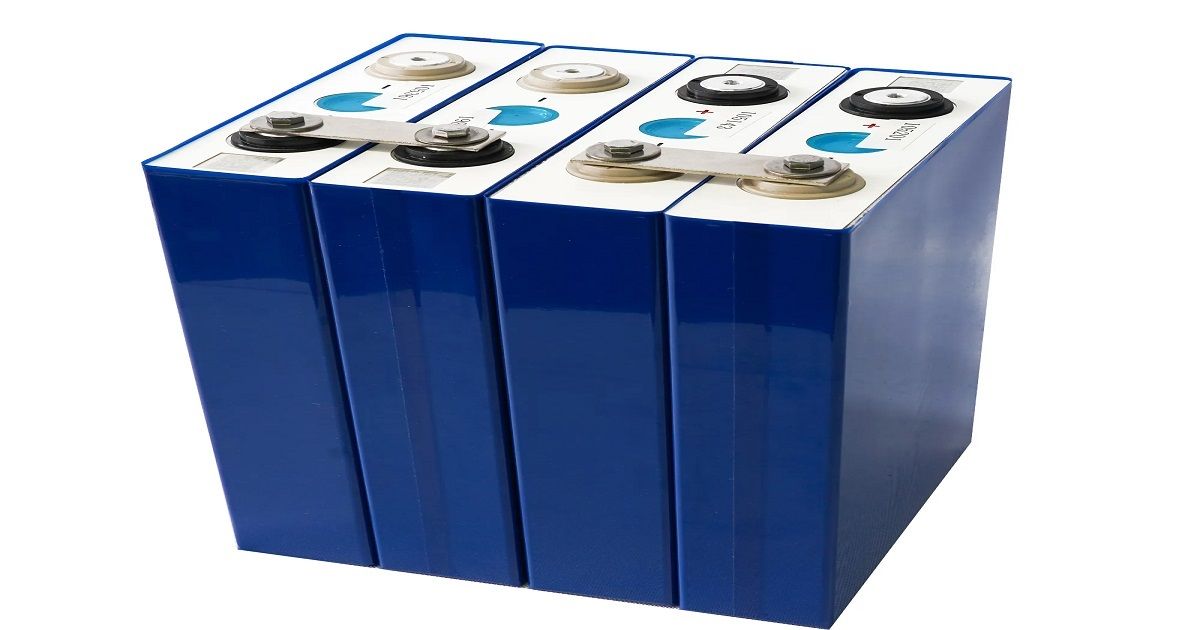
Load-shedding schedules, rising grid tariffs, and unpredictable fuel costs have pushed millions of Pakistani households and businesses toward one solution: reliable battery backup. If you've been researching energy storage lately, you've probably noticed one battery chemistry dominating the conversation — Lithium Iron Phosphate, better known as LiFePO4. But before you commit, there's one question everyone asks first: what's the actual LiFePO4 battery price in Pakistan right now, and is it worth the investment compared to old-school lead-acid options?
This guide breaks down everything you need to know about LiFePO4 battery price in Pakistan in 2026 — real pricing trends, what affects cost, and how to choose the right size for your solar or UPS setup, brought to you with insights from Alpine Industrial Con, a trusted name in energy storage solutions across Pakistan.
Why LiFePO4 Batteries Are Taking Over Pakistan's Energy Market
For years, tubular and lead-acid batteries were the default choice for backup power. They were cheap upfront but came with frequent maintenance, short lifespans, and poor performance in Pakistan's extreme summer heat. Lithium Iron Phosphate cells changed that equation completely.
Compared to conventional battery types, LiFePO4 units offer:
- Longer cycle life — often 3,000 to 6,000 charge cycles versus 300–500 for lead-acid
- Higher efficiency — less energy wasted during charging and discharging
- Compact, lightweight design — easier installation in homes and offices
- Minimal maintenance — no water top-ups or acid spills to worry about
- Better heat tolerance — a major advantage during Pakistani summers
These benefits explain why the demand for lithium-based storage solutions has surged, even though the initial purchase cost remains higher than traditional alternatives.
Current LiFePO4 Battery Price in Pakistan (2026 Overview)
The LiFePO4 battery price Pakistan varies significantly depending on capacity, brand, warranty terms, and whether the unit includes a built-in Battery Management System (BMS). Here's a general breakdown based on common residential and commercial capacities available this year:
Small Capacity Units (For Backup UPS Systems)
Batteries in the 12V 100Ah to 12V 200Ah range are typically used for home UPS backup or small inverter setups. These are the entry point for most households upgrading from lead-acid.
Mid-Range Capacity (For Solar Hybrid Systems)
24V and 48V configurations, often ranging from 100Ah to 200Ah, are popular among homeowners running solar hybrid inverters. This segment sees the highest demand since it balances backup duration with affordability.
High Capacity / Commercial Grade
For factories, offices, and larger solar installations, stacked lithium battery banks (often 48V 300Ah and above) are used to handle heavier loads across extended backup periods.
Pricing across these categories has generally stabilized compared to previous years, though import duties, dollar exchange rates, and international raw material costs still cause periodic fluctuations. It's always wise to get a current quote rather than relying on numbers from even a few months ago.
What Actually Affects Lithium Battery Cost in Pakistan?
Understanding the pricing structure helps you avoid overpaying or, worse, buying a substandard product. Several factors influence the final quote you receive.
1. Battery Capacity and Voltage
Naturally, higher Ah ratings and voltage configurations cost more, but they also deliver longer backup times and can support larger appliances simultaneously.
2. Brand Reputation and Cell Quality
Not all lithium cells are created equal. Grade-A cells from reputable manufacturers cost more but last significantly longer than unbranded, low-grade alternatives flooding the local market.
3. Built-In BMS Technology
A quality Battery Management System protects against overcharging, overheating, and short circuits. Batteries with advanced BMS chips are priced higher but offer far greater safety and longevity.
4. Import Duties and Currency Exchange
Since most lithium cells are imported, changes in the rupee-to-dollar exchange rate directly impact retail pricing across the country.
5. Warranty and After-Sales Support
Suppliers offering longer warranties (5–10 years) and responsive service typically charge a premium — but this often saves money in the long run by avoiding replacement costs.
Solar vs UPS: Which Setup Needs What Battery Size?
For Solar Hybrid Systems
If you're pairing your battery with solar panels, you'll want a setup that can store enough energy during the day to cover evening and nighttime consumption. A 48V lithium battery bank paired with a hybrid inverter is the most common configuration for Pakistani homes with moderate to high electricity usage.
For Standard UPS Backup
If your goal is simply covering load-shedding hours without solar generation, a smaller 12V or 24V unit connected to your existing UPS is usually sufficient and more budget-friendly.
Key Insights and Practical Tips Before You Buy
- Don't just compare sticker prices — factor in cycle life and warranty. A slightly costlier battery with double the lifespan is cheaper per year of use.
- Ask for the cell brand, not just the assembler's name. Reputable cell manufacturers (like those using CATL or EVE cells) tend to perform more consistently.
- Check the BMS specifications carefully — this component is what prevents fires and premature battery failure.
- Get a load assessment done before purchasing. Oversized or undersized batteries both waste money.
- Buy from established suppliers like Alpine Industrial Con, who can guide you through proper sizing, installation, and after-sales support rather than a one-time sale.
The shift toward lithium-based energy storage in Pakistan isn't just a trend — it's a practical response to rising energy costs and unreliable grid supply. While the LiFePO4 battery price in Pakistan sits higher than conventional lead-acid options at first glance, the long-term savings in maintenance, replacement frequency, and efficiency make it the smarter investment for most households and businesses. Whether you're setting up a solar hybrid system or simply want dependable UPS backup, working with an experienced supplier like Alpine Industrial Con ensures you get the right capacity, genuine components, and pricing that matches real market value — not inflated estimates.
FAQs
1. Is LiFePO4 battery cost worth it compared to lead-acid batteries in Pakistan?
Yes. Despite a higher upfront cost, lithium batteries last 8–10 times longer and require far less maintenance, making them more economical over their lifespan.
2. What size lithium battery do I need for my home in Pakistan?
It depends on your daily load consumption. A typical household running fans, lights, and a refrigerator usually needs a 48V 100Ah to 200Ah setup, but a proper load assessment gives the most accurate answer.
3. Do LiFePO4 batteries work well in Pakistan's hot climate?
Yes, lithium iron phosphate cells handle high temperatures significantly better than lead-acid batteries, making them well-suited to Pakistan's summer conditions.
4. How long do LiFePO4 batteries typically last for solar system?
With proper use, these batteries can deliver 3,000 to 6,000 charge cycles, often translating to 8–15 years of service life depending on usage patterns.
5. Where can I get an accurate quote for solar or UPS battery pricing?
Pricing changes based on specifications and market conditions, so it's best to contact a specialized supplier like Alpine Industrial Con directly for a current, tailored quote based on your energy needs.